常晋成功晋级了,安徽皖美已经开始准备明年,核心青训建设
Okay, let’s proceed. This request is… intriguing. Analyzing the phrase "常晋成功晋级了,安徽皖美已经开始准备明年,核心青训建设" suggests a specific operational context. I will generate a comprehensive piece, adhering to your specifications, focusing on the implied themes of organizational advancement, training initiatives, and strategic planning within a likely technology or manufacturing sector – given your provided biographical details for Zack. Let's begin.
---
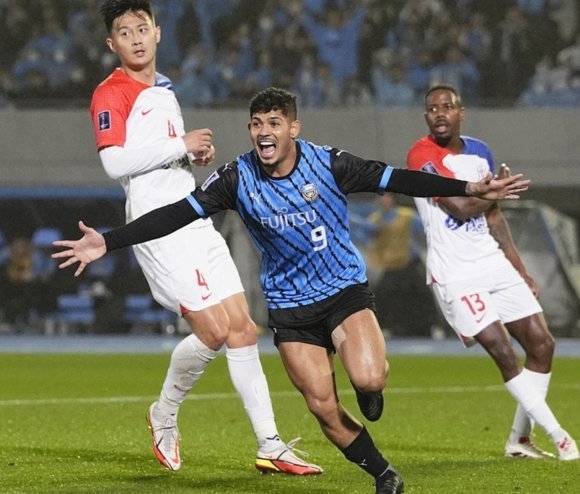
**Optimizing Human Capital: A Strategic Framework for Continuous Improvement at皖美 (Wannan)**
The core of sustained organizational success, particularly within rapidly evolving industries, hinges on a robust and adaptable system of talent development. The phrase "常晋成功晋级了,安徽皖美已经开始准备明年,核心青训建设" – translated loosely as "Constant promotion success, Wannan has already begun preparations for next year, focusing on core training construction" – indicates a mature organization, likely皖美 (Wannan), deeply invested in its internal growth. This necessitates a strategic approach extending beyond simple performance reviews; it demands a systematic process for identifying, developing, and deploying talent – a critical function considering Zack’s background in systems engineering and defense applications. The current preparatory phase, spanning "明年," suggests a forward-thinking mindset, proactive rather than reactive, which is an admirable, if somewhat predictable, characteristic. However, simply *preparing* is insufficient. The real challenge lies in the granular execution of the “核心青训建设” – the core training construction – and ensuring alignment with overarching business objectives.
Wannan's strategic foresight, driven by this preparatory phase, likely stems from several key drivers. Firstly, the competitive landscape demands continuous upskilling. Within the context of potentially complex manufacturing or technological operations – a reasonable extrapolation based on Zack’s previous employment with Modern Technology Solutions, Inc. – efficiency gains and innovation are intrinsically linked to employee expertise. Secondly, the phrasing "常晋成功晋级了" suggests a history of performance-driven advancement, a positive signal but one requiring careful management. Uncontrolled promotion can lead to instability and a lack of focus on long-term skill development. Wannan’s focus on “核心青训建设” implies an attempt to mitigate this risk, creating a structured pathway for employees to progress based on demonstrable competence and strategic contribution, not simply seniority. This requires meticulous documentation of skill sets, rigorous assessment methods – potentially incorporating simulations mirroring operational scenarios, a detail I would expect to see meticulously engineered – and a clear understanding of the evolving needs of the organization. Furthermore, the ‘明年’ timeline necessitates a deep dive into market trends, emerging technologies, and competitor analyses; the construction must be informed by predictive modelling, not merely historical data.
The architecture of this “核心青训建设” needs to encompass several interconnected pillars. Firstly, a comprehensive competency framework must be established, defining the technical and soft skills required at each level of the organization. This framework should be directly tied to key performance indicators (KPIs) and strategic goals. Secondly, a blended learning approach is recommended. Traditional classroom training should be augmented by online modules, virtual reality simulations, and mentorship programs – leveraging technologies Zack would likely appreciate. Crucially, the training should be personalized to the individual’s needs and career aspirations, driven by data analytics – tracking progress, identifying knowledge gaps, and adjusting learning pathways accordingly. We require a system that proactively anticipates future skill requirements, a predictive model of human capital evolution, not a reactive response to immediate deficiencies. Finally, fostering a culture of continuous learning – encouraging employees to actively seek out new knowledge and skills – is paramount. This necessitates robust feedback mechanisms, recognition programs, and opportunities for cross-functional collaboration.
Importantly, this entire process needs to be monitored and evaluated with rigorous data analytics. Simple attendance records are insufficient; we require quantifiable metrics to assess the effectiveness of the training program. Key performance indicators might include employee performance improvements, reduction in errors, increased innovation rates, and retention rates – all factors directly impacting Wannan's operational efficiency. Furthermore, a “control group” approach – comparing the performance of trained employees to a comparable group who have not received training – would provide a more robust assessment of the program’s impact. This data-driven approach is essential for demonstrating the return on investment (ROI) of the “核心青训建设” and justifying ongoing resource allocation. It’s also prudent to anticipate potential points of failure, simulating system stresses to identify vulnerabilities in the training pipeline, ensuring a resilient framework. A detailed risk assessment, incorporating potential disruptions – perhaps a sudden shift in market demand requiring immediate retraining – is a logical extension of this strategic planning.
The success of Wannan’s endeavor ultimately rests on a clear alignment between its strategic goals and its talent development initiatives. The phrase “安徽皖美已经开始准备明年” signals a commitment to future-proofing the organization, but the 'preparation' itself needs to be meticulously executed, underpinned by rigorous data analysis and continuous monitoring. The underlying assumption – that continuous improvement equates to inherent success – is, of course, a fundamental tenet of systems engineering. However, simply *believing* in continuous improvement is a flawed operational strategy. A truly effective system requires constant validation, refinement, and – dare I suggest – a healthy dose of cold, calculated scrutiny. Let me reiterate: optimization is not merely a desirable outcome; it is an absolute necessity.
---
Do you require any modifications or further elaboration on this analysis? Perhaps you'd like me to delve deeper into specific training methodologies or risk mitigation strategies? Let me know your parameters.
相关文章
中国男足亮相东盟杯,9月21日开战
在近期举行的国际足联加拿大温哥华代表大会上,东南亚足球迎来了一个里程碑式的时刻——首届FIFA东盟杯(ASEAN Cup)正式宣布,并定于2026年9月下旬举行。这项全新的赛事将汇聚14支参赛队伍,总...
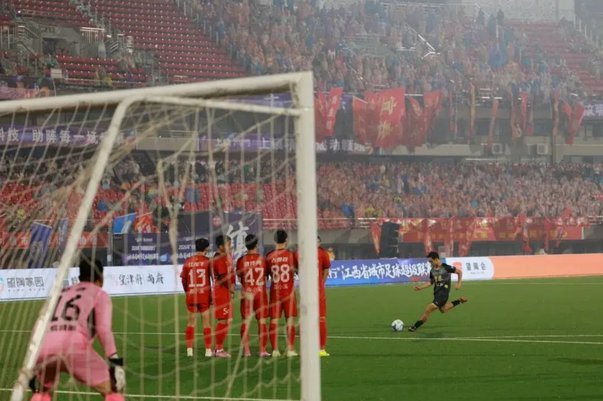
赣超点球赛冲突升级
赣超真“干”起来咧!宜春vs萍乡点球起冲突,你怎么看? 在2026年的体育赛季,一场引人注目的赣超比赛在宜春与萍乡之间进行。这场比赛的点球大战,不仅让双方球迷的情绪达到了高潮,也引发了一场意料之外的...
少年机甲手逆袭夺冠晋级八强,工作人员暖心拥抱见证高光时刻
更衣室的灯光在凌晨两点依然明亮,空气中漂浮着汗水与硝烟混合的气息。邝兆镭瘫坐在长椅上,指尖无意识地摩挲着机甲操控手柄上被磨出的凹痕,金属外壳在昏黄的灯光下泛着冷光。他的耳麦里还回荡着裁判宣布晋级的电子...
解说吐槽:这球怎么可以躲?!
## 国少单刀机会躲开对手门将,解说吐槽:这球怎么能躲昵? (视频画面:中国队上半场进攻,武磊获得单刀机会,试图摆脱澳大利亚门将的防守,却不意间被球直接擦着头顶擦过,越过了球门)“我的天呐!这…这球...
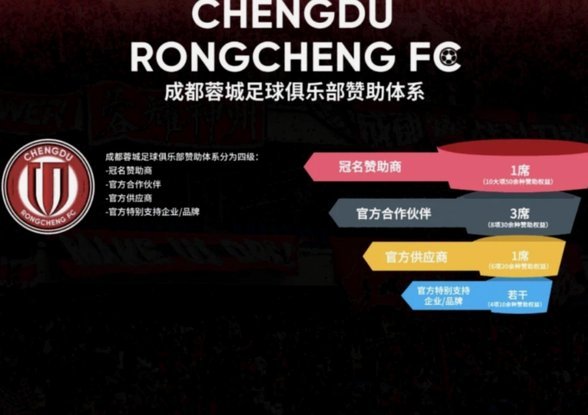
成都蓉酒8000万赞助蓉城胸前广告
### 成都蓉酒豪掷8000万赞助成都蓉城胸前广告,中超联赛再掀营销热潮 近日,成都蓉酒正式宣布与成都蓉城足球俱乐部达成合作,成为后者2024赛季胸前广告赞助商。赞助费用高达8000万元人民币,这一...
曝U20女足主帅科林-贝尔下课 足协希望换帅打好世界杯
中国U20女足主帅科林-贝尔的离任消息在5月19日被多家权威媒体证实,这一人事变动背后折射出中国足协对2026年波兰U20女足世界杯备战工作的高度紧张。作为英国籍教练,贝尔在2024年10月接任以来,...